
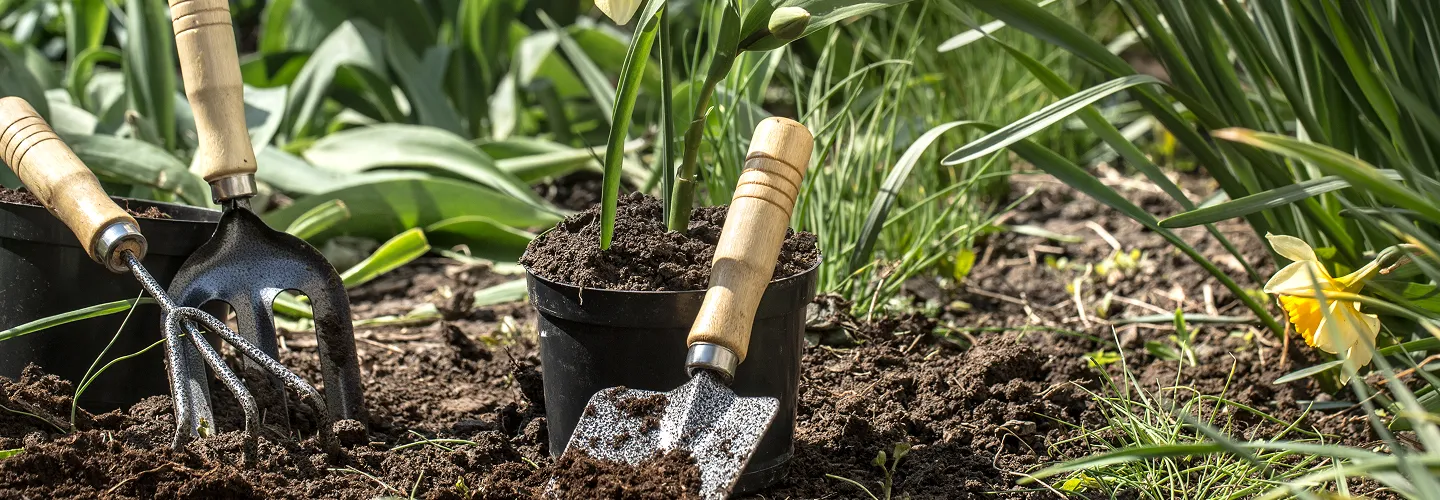
Queen Creek Flower Planting Services
Choose our expert flower planting services for vibrant, long-lasting gardens tailored to your style and the Arizona climate—bringing color, curb appeal, and joy to your outdoor space.
Get a Free QuoteOur Queen Creek Landscaping & Yard Care Services
When to Schedule Flower Planting in Queen Creek, Arizona – Seasonal Guide
Flower planting in Queen Creek, Arizona, is best scheduled with careful attention to our unique Sonoran Desert climate. The ideal planting windows are typically in early spring (late February to early April) and again in the fall (late September to early November), when temperatures are milder and the risk of frost is minimal. These periods allow new blooms to establish strong roots before the intense summer heat or occasional winter chills set in. Neighborhoods like Sossaman Estates and the areas near Desert Mountain Park often see vibrant displays when planting is timed to these local conditions.
Local environmental factors play a significant role in determining the best time for flower planting. Queen Creek’s soil tends to be sandy and well-draining, which is excellent for many annuals and perennials but may require soil amendments for moisture retention. Shade coverage from mature trees in communities like Cortina can extend planting windows, while open lots near the Queen Creek Wash may experience more rapid soil drying. It’s also important to consider municipal watering restrictions and the local climate data when planning your planting schedule.
Local Factors to Consider for Flower Planting in Queen Creek
- Proximity to frost-prone areas, especially in neighborhoods near the San Tan Mountains
- Soil composition and drainage, which can vary between subdivisions
- Tree density and available shade, impacting moisture retention and sun exposure
- Terrain elevation, with higher ground often drying out faster
- Seasonal precipitation patterns and drought risk
- Municipal watering schedules and restrictions
Benefits of Flower Planting in Queen Creek
Expert Local Knowledge
Customized Plant Selection
Enhanced Curb Appeal
Drought-Resistant Options
Seasonal Color Planning
Professional Maintenance Support
Queen Creek Flower Planting Types

Annual Flower Beds
-
Perennial Plantings
-
Native Wildflower Gardens
-
Seasonal Color Rotations
-
Drought-Tolerant Flower Gardens
-
Pollinator-Friendly Plantings
-
Container Flower Arrangements
Our Flower Planting Process
Site Evaluation
Soil Preparation
Plant Selection
Careful Planting
Watering and Mulching
Why Choose Queen Creek Landscape Services
-
Queen Creek Homeowners Trust Us
-
Expert Lawn Maintenance
-
Reliable Irrigation Solutions
-
Competitive Pricing
-
Professional Team
-
Satisfaction Guarantee
-
Personalized Service
Coordinating Flower Planting Projects with Queen Creek's Municipal Departments
Flower planting in Queen Creek requires awareness of the town's landscape standards, water conservation programs, and stormwater management expectations. Residents and property managers planning flower installations on properties adjacent to public rights-of-way, drainage corridors, or parks should coordinate with the appropriate municipal departments before beginning work. The Town of Queen Creek's Parks and Recreation division oversees public landscape standards and can provide guidance on plant palette expectations in areas that interface with town-maintained open space. For properties within newer master-planned communities, development-related landscape requirements may fall under the purview of the town's planning and development review process.
- Verify whether flower planting near public rights-of-way or retention basins requires coordination with town staff
- Confirm that irrigation modifications associated with new planting beds comply with the town's water conservation programs through Queen Creek Water Services
- Ensure that soil amendments, mulch, and organic debris do not migrate into storm drains or wash channels during installation
Queen Creek Parks & Recreation
Official Website: Queen Creek Parks & Recreation
Queen Creek Water Services
Official Website: Queen Creek Water Services
How Queen Creek's Desert Heat and Alkaline Soils Affect Flower Planting
Queen Creek sits in the Phoenix metro low-desert region, classified within USDA Hardiness Zone 9b according to the USDA Plant Hardiness Zone Map. This designation means minimum winter temperatures rarely drop below 25–30°F, but summer highs routinely exceed 110°F, creating an extreme environment for ornamental flowers. The predominant soils in the Queen Creek area tend toward alkaline sandy loam and caliche-bearing profiles, often with a pH above 7.5. Many newer subdivisions feature compacted fill soils that resist root penetration and water infiltration without proper amendment.
- Caliche layers may exist at shallow depths, requiring mechanical breaking or raised bed construction to allow adequate root development
- Alkaline soil conditions can lock out iron and other micronutrients, causing chlorosis in non-adapted flower species
- Reflected heat from block walls, concrete driveways, and decomposed granite surfaces intensifies thermal stress on south- and west-facing planting beds
- Monsoon season (typically mid-June through September) brings sudden, intense rainfall that can wash out freshly planted beds and erode exposed soil around emitters
- Irrigation dependence is year-round; even drought-tolerant flowers require supplemental drip irrigation during establishment
The Arizona Department of Water Resources provides landscaping guidance that emphasizes low-water-use plant selection and efficient irrigation design, both of which are directly relevant to flower planting in Queen Creek's arid climate.
Navigating Queen Creek's Zoning and Environmental Compliance for Flower Planting
Flower planting on residential and commercial properties in Queen Creek is generally permitted without a formal building permit, but several regulatory considerations apply depending on the scope and location of the project. Properties within HOA-governed communities may be subject to architectural review committee approval for changes to front-yard landscaping, including flower species, bed dimensions, and mulch type. The town's Planning and Zoning division administers zoning regulations that may affect landscape modifications in commercial zones, multifamily developments, or properties adjacent to designated open space.
- Flower planting that involves grading changes, new irrigation lines, or modifications near drainage easements may trigger review by Queen Creek Development Engineering
- Stormwater compliance under Arizona's Phase II MS4 program, administered by ADEQ, requires that landscaping activities prevent sediment, fertilizer, and organic material from entering the municipal storm sewer system
- Any pesticide or herbicide application associated with flower bed preparation must be performed by individuals holding appropriate credentials under the Arizona Department of Agriculture's licensing program
- Introduction of plant species listed on Arizona's noxious weed registry is prohibited
Queen Creek Environmental Services
Official Website: Queen Creek Environmental Services
Timing and Methods for Flower Planting in Queen Creek's Low-Desert Climate
Professional flower planting in Queen Creek follows two primary planting windows aligned with the region's temperature extremes. The fall window, generally from mid-October through November, allows cool-season annuals such as petunias, pansies, snapdragons, and stock to establish root systems before winter. The spring window for warm-season and desert-adapted flowers typically runs from late February through early April, before sustained triple-digit temperatures arrive. Planting outside these windows significantly increases transplant shock and mortality rates.
- Prepare planting beds by amending native alkaline soil with sulfur and organic compost to improve nutrient availability and water retention
- Install drip irrigation emitters at each planting station before placing transplants; overhead spray irrigation wastes water and promotes foliar disease in the desert environment
- Apply a two- to three-inch layer of organic mulch or fine bark around flower plantings to moderate soil temperature and reduce evaporation, while keeping mulch pulled back from plant stems
- Select desert-adapted perennials such as desert marigold, angelita daisy, blackfoot daisy, and autumn sage for long-term beds that tolerate Queen Creek's summer heat
- Schedule irrigation cycles for early morning to minimize evaporative loss and reduce salt accumulation at the soil surface
- Avoid planting during active monsoon storms, as heavy rainfall can displace transplants and erode amended soil from beds into adjacent hardscape or drainage channels
What Neighborhoods Do We Serve Throughout Queen Creek, AZ?
- Sossaman Estates — Larger lot sizes in this area often feature expansive planting beds with full southern exposure, requiring careful species selection and robust drip irrigation coverage to manage reflected heat from open desert surroundings.
- Hastings Farms — This established community includes mature landscaping and HOA-maintained common areas where flower planting must align with community architectural guidelines and existing irrigation infrastructure.
- Encanterra — As an active-adult community with manicured streetscapes, flower planting here typically involves coordination with community management regarding approved plant palettes and front-yard appearance standards.
- Queen Creek Station — Newer subdivision fill soils in this area may require additional amendment and compaction relief before flower beds can support healthy root development.
- Cortina — Properties near wash corridors and retention basins in Cortina should ensure that flower bed installations do not contribute sediment or organic runoff to adjacent drainage infrastructure.
- San Tan Heights — Elevated lots along the San Tan Mountain foothills experience increased wind exposure and slightly cooler winter temperatures, influencing both species selection and frost-protection planning for ornamental flowers.