
Queen Creek Lawn Mowing Services
Choose our lawn mowing service for reliable, professional care that keeps your yard looking its best all season long—enjoy a lush, healthy lawn without the hassle.
Get a Free QuoteOur Queen Creek Landscaping & Yard Care Services
When to Schedule Lawn Mowing in Queen Creek, Arizona – Seasonal Guide
In Queen Creek, Arizona, the timing of your lawn mowing routine is crucial for maintaining a healthy, vibrant yard. The region’s unique desert climate, characterized by hot summers, mild winters, and monsoon rains, means that grass growth patterns differ from other parts of the country. Typically, the optimal mowing season begins in early March, after the last frost, and extends through late October. Neighborhoods like Sossaman Estates and the areas near Mansel Carter Oasis Park often experience microclimates, so it’s important to observe your lawn’s specific needs.
Local environmental factors such as drought risk, soil composition (often sandy or clay-heavy), and shade from mature mesquite or palo verde trees can all impact mowing frequency. For example, lawns in the shade of Queen Creek Wash may require less frequent mowing due to slower growth, while properties near the Queen Creek Olive Mill might see more rapid growth thanks to richer soils and irrigation. Monitoring humidity levels and adhering to municipal watering restrictions will also help you determine the best mowing schedule for your property.
Local Factors to Consider for Lawn Mowing in Queen Creek
- Tree density and shade coverage
- Soil type (sandy, clay, or loamy)
- Proximity to irrigation sources or washes
- Seasonal precipitation and monsoon patterns
- Frost dates and temperature fluctuations
- Municipal watering and mowing restrictions
- Terrain and slope of your property
Benefits of Lawn Mowing in Queen Creek

Professional Lawn Care Expertise
Consistent and Reliable Scheduling
Enhanced Curb Appeal
Time and Effort Savings
Healthier, Greener Lawns
Locally Trusted Landscaping Service
Queen Creek Lawn Mowing Types

Standard Lawn Mowing
-
Mulching Mower Service
-
Bagging Grass Clippings
-
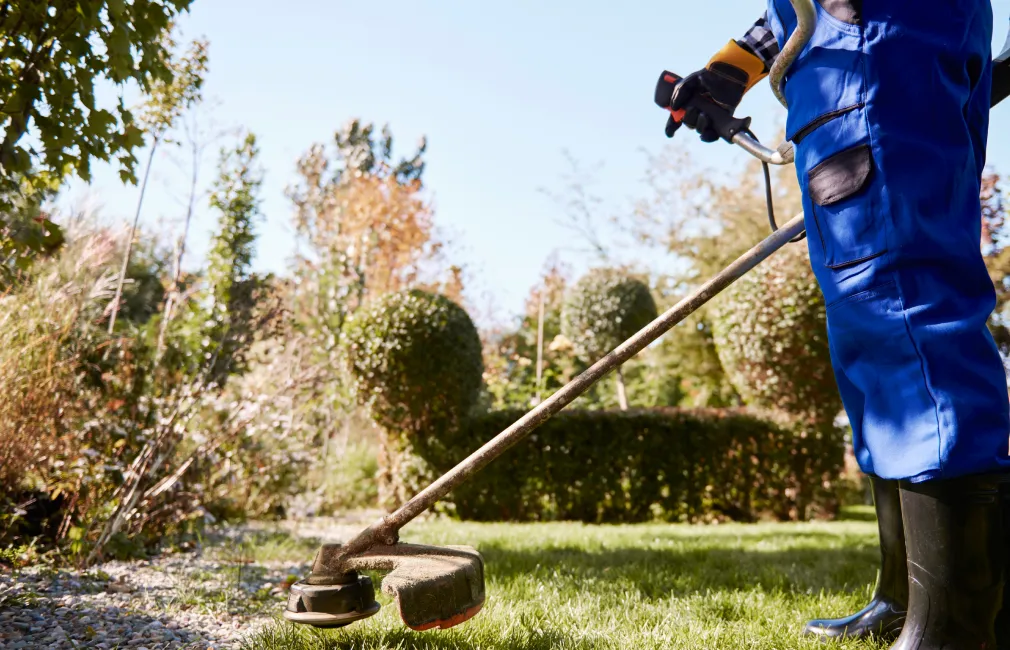
Edging and Trimming
-
Seasonal Mowing Adjustments
-
Commercial Property Mowing
-
Eco-Friendly Lawn Mowing
Our Lawn Mowing Process
Site Evaluation
Lawn Preparation
Mowing Execution
Edging and Trimming
Cleanup
Why Choose Queen Creek Landscape Services

-
Queen Creek Homeowners Trust Us
-
Expert Lawn Maintenance
-
Reliable Irrigation Solutions
-
Competitive Pricing
-
Professional Team
-
Satisfaction Guarantee
-
Personalized Service
Coordinating Lawn Mowing Services with Queen Creek's Public Works and Environmental Programs
Residents and property managers in Queen Creek should coordinate lawn mowing activities with the town's public works and environmental services divisions to ensure grass clippings, green waste, and mowing debris are managed in compliance with local standards. The Town of Queen Creek's Environmental Services division oversees stormwater management and sustainability programs that directly affect how lawn care operators handle organic debris near streets, retention basins, and drainage infrastructure. Key coordination points include:
- Keeping grass clippings off public sidewalks, curb inlets, and roadway surfaces to prevent stormwater contamination
- Verifying current green waste collection or disposal procedures through the town before scheduling large-scale mowing operations on commercial or multi-family properties
- Ensuring mowing equipment does not damage public right-of-way landscaping, irrigation infrastructure, or drainage features adjacent to residential lots
Property owners maintaining turf along town roadways or near wash corridors should confirm right-of-way boundaries with the town's Development Engineering division before mowing or edging in those areas.
Queen Creek Environmental Services
Official Website: Queen Creek Environmental Services
Queen Creek Public Works
Official Website: Queen Creek Public Works
How Queen Creek's Low-Desert Heat and Alkaline Soils Affect Lawn Mowing
Queen Creek sits in the Phoenix metro low-desert region, classified within USDA Hardiness Zone 9b, where summer temperatures routinely exceed 110°F and annual rainfall averages under ten inches. These conditions create specific challenges for lawn mowing that differ substantially from temperate-climate turf management. The predominant soils in the Queen Creek area tend toward alkaline sandy loam and caliche-influenced profiles, which affect water infiltration and root-zone depth. According to the USDA Web Soil Survey, many subdivision lots in the area contain compacted fill material imported during development, further complicating drainage and turf health. Factors that directly influence mowing practices include:
- Reflected heat from block walls, concrete driveways, and decorative rock raises turf-surface temperatures well beyond ambient air readings, accelerating moisture loss along lawn edges
- Irrigation dependence is total during the dry pre-monsoon months of May and June, meaning mowing schedules must align with watering cycles to avoid cutting drought-stressed turf
- Monsoon runoff from July through September can deposit silt and debris across turf areas, requiring post-storm inspection before mowing to prevent equipment damage and uneven cuts
- Salt accumulation from municipal or well water can concentrate in the upper soil profile, stressing bermudagrass and affecting clipping decomposition rates
The Arizona Department of Water Resources provides landscaping and water conservation guidance relevant to turf irrigation scheduling in communities like Queen Creek.
Navigating Queen Creek's Stormwater and Property Maintenance Regulations for Lawn Mowing
Lawn mowing in Queen Creek falls under several overlapping regulatory frameworks at the municipal, state, and federal levels. The town enforces property maintenance standards through its Planning and Zoning division, which administers zoning regulations that may include requirements for maintaining turf in visible front-yard and streetscape areas. Overgrown or neglected lawns can trigger code compliance action, so property owners should verify current maintenance thresholds with the town.
From a stormwater perspective, Queen Creek operates under Arizona's Phase II Municipal Separate Storm Sewer System (MS4) program. The Arizona DEQ MS4 program requires municipalities to implement pollution prevention measures, which directly affects how lawn care operators manage clippings, fertilizer residue, and irrigation runoff. Key compliance considerations include:
- Grass clippings and organic debris must not be discharged into storm drains, retention basins, or wash channels, consistent with Clean Water Act protections
- Commercial lawn mowing operators should carry appropriate business licensing and verify whether the town requires additional operational permits for work on commercial or HOA-managed properties
- Pesticide or herbicide application in conjunction with mowing services requires proper licensing through the Arizona Department of Agriculture
Queen Creek Planning & Zoning
Official Website: Queen Creek Planning & Zoning
Timing and Technique Standards for Lawn Mowing in Queen Creek's Desert Climate
Professional lawn mowing in Queen Creek requires careful attention to turf species, seasonal growth patterns, and heat-stress management. The dominant warm-season turf in the area is bermudagrass, which enters active growth from April through October and goes dormant during winter months. Many residential properties overseed with perennial ryegrass in October for winter color, creating a dual-species mowing calendar. The University of Arizona Cooperative Extension and its Turfgrass Maintenance Guide provide detailed mowing height and frequency recommendations for low-elevation Arizona lawns. Critical timing and technique standards include:
- Mowing height for bermudagrass should generally be maintained between 1 and 2 inches for common bermuda and 0.5 to 1.5 inches for hybrid varieties, adjusting upward slightly during peak summer heat to reduce moisture loss
- Winter ryegrass overseedings are typically mowed at 1.5 to 2.5 inches and require more frequent cutting during the cooler active-growth months of November through March
- Mowing should occur in early morning hours during summer to reduce heat stress on both turf and operators, and should follow irrigation cycles by at least several hours to allow blade surfaces to dry
- Clipping management is essential: light clippings can be left on the turf to return nutrients, but heavy clipping accumulations should be collected to prevent thatch buildup and smothering, particularly on bermudagrass
- Blade sharpness must be maintained rigorously, as dull mower blades tear grass tissue and increase water loss through damaged leaf surfaces—a critical concern when ambient temperatures exceed 105°F
Mowing frequency during peak bermudagrass growth in June through August may need to increase to every five to seven days to prevent removing more than one-third of the blade height per cut.
What Neighborhoods Do We Serve Throughout Queen Creek, AZ?
- Sossaman Estates — Larger residential lots in this area often feature expansive bermudagrass lawns with full irrigation systems, requiring consistent mowing schedules throughout the extended warm season.
- Hastings Farms — This master-planned community includes HOA-maintained common areas alongside private turf yards, and mowing operators should be aware of community appearance standards and access gate logistics.
- Encanterra — An active-adult community with manicured turf areas adjacent to golf course landscapes, where mowing height precision and clipping containment are particularly important near shared open spaces.
- Queen Creek Station — Newer subdivision lots here may have compacted fill soils beneath turf, which can affect irrigation penetration and require adjusted mowing heights to compensate for shallow root zones.
- Cortina — Properties in this community frequently feature bermudagrass front yards bordered by decorative rock and block walls, creating reflected-heat zones that intensify turf stress along lawn edges.
- San Tan Heights — Situated near the San Tan Mountain Regional Park foothills, lots in this area may have slight grade changes that affect mowing patterns and drainage flow across turf surfaces.