
Queen Creek Pruning Services
Choose our professional pruning services for healthier trees, improved curb appeal, and peace of mind knowing your landscape is in expert hands.
Get a Free QuoteOur Queen Creek Landscaping & Yard Care Services
When to Schedule Pruning in Queen Creek, Arizona – Seasonal Guide
Pruning in Queen Creek, Arizona, is best scheduled with careful attention to our unique Sonoran Desert climate and the specific needs of local landscapes. The optimal time for most pruning is late winter to early spring, just after the last frost but before the intense summer heat arrives. This timing helps trees and shrubs recover quickly and encourages healthy new growth, especially in neighborhoods like Sossaman Estates and near the Queen Creek Wash, where microclimates can slightly alter the ideal window.
Local environmental factors play a significant role in determining the best pruning schedule. For example, areas with heavier shade coverage, such as those near Desert Mountain Park, may require different timing than more exposed properties. Soil type, drought risk, and humidity levels also influence how and when to prune. It's important to consider municipal guidelines and local restrictions, which can be found on the Town of Queen Creek's official resources, to ensure compliance and optimal results.
Local Factors to Consider for Pruning in Queen Creek
- Tree and shrub density on your property
- Proximity to landmarks like Queen Creek Olive Mill or Horseshoe Park
- Soil composition (sandy vs. clay-heavy soils)
- Annual precipitation and drought risk
- Frost dates and seasonal temperature swings
- Municipal restrictions or HOA guidelines
- Terrain and accessibility for equipment
- Shade coverage and sun exposure
Benefits of Pruning in Queen Creek
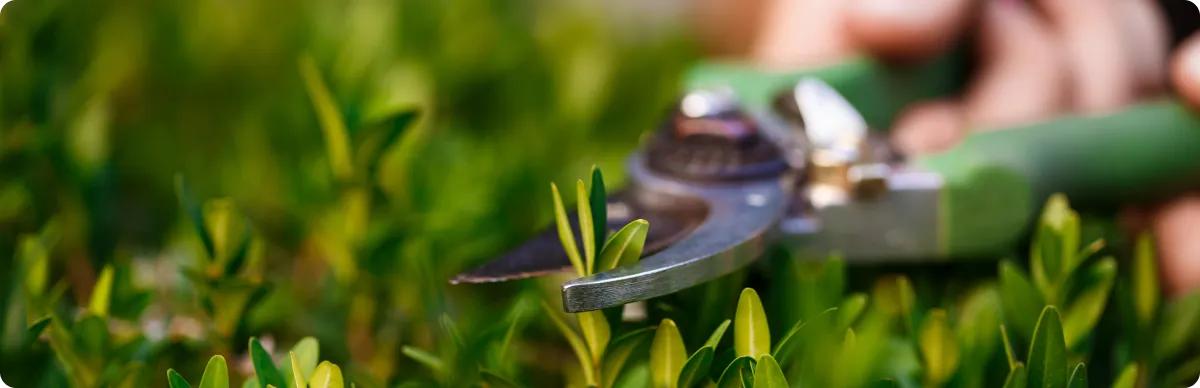
Enhanced Plant Health
Improved Curb Appeal
Increased Sunlight Exposure
Disease Prevention
Professional Expertise
Customized Landscaping Solutions
Queen Creek Pruning Types

Crown Thinning
-
Crown Raising
-
Crown Reduction
-
Deadwooding
-
Formative Pruning
-
Pollarding
-
Vista Pruning
Our Pruning Process
Site Evaluation
Plant Selection
Targeted Pruning
Debris Removal
Final Inspection
Why Choose Queen Creek Landscape Services
-
Queen Creek Homeowners Trust Us
-
Expert Lawn Maintenance
-
Reliable Irrigation Solutions
-
Competitive Pricing
-
Professional Team
-
Satisfaction Guarantee
-
Personalized Service
Coordinating Tree and Shrub Pruning with Queen Creek Municipal Departments
Property owners and managers in Queen Creek should coordinate pruning activities with the appropriate town departments, particularly when work involves trees or shrubs along public rights-of-way, near drainage infrastructure, or within areas governed by landscape maintenance standards. The Town of Queen Creek's Parks and Recreation Department oversees public landscape areas including park trees, trail corridors, and community open spaces, and can provide guidance on expectations for vegetation adjacent to these zones. When pruning generates significant volumes of green waste, residents should verify current bulk collection or drop-off procedures through Public Works, which manages environmental services and debris handling for the town.
- Confirm whether pruning along street frontages or sidewalks requires coordination with Public Works before cutting
- Verify green waste disposal rules, including bundling or container requirements, through the town's environmental services division
- Contact Parks and Recreation if pruning affects trees bordering public parks, trails, or common areas
Queen Creek Parks & Recreation
Official Website: Queen Creek Parks & Recreation
Queen Creek Public Works
Official Website: Queen Creek Public Works
How Queen Creek's Low-Desert Heat and Alkaline Soils Affect Pruning
Queen Creek sits within the Phoenix metro low-desert region, classified in USDA Hardiness Zone 9b, where summer temperatures routinely exceed 110°F and intense solar radiation accelerates moisture loss from exposed branch wounds. These conditions make pruning timing critical: cuts made during peak summer heat leave trees and shrubs vulnerable to sunscald, bark cracking, and desiccation of cambium tissue. The predominant soils in the area tend toward alkaline sandy loam and caliche-influenced profiles, which limit root-zone moisture retention and compound drought stress on recently pruned plants. Monsoon storms arriving between July and September bring sudden high winds that can turn poorly structured canopies into hazards, making pre-monsoon structural pruning an important consideration. According to the USDA Plant Hardiness Zone Map, Queen Creek's zone placement supports a wide range of desert-adapted species, each with distinct pruning tolerances.
- Alkaline soils and caliche layers reduce water availability, intensifying stress on freshly pruned trees
- Reflected heat from block walls, concrete driveways, and decomposed granite surfaces raises ambient temperatures around landscape plants
- Monsoon microbursts can snap weakened limbs, making deadwood removal before July essential
Navigating Queen Creek's Zoning and Stormwater Rules for Pruning Projects
Pruning activities in Queen Creek may intersect with town zoning standards and stormwater compliance requirements. The Town's Planning and Zoning division administers landscape-related zoning regulations, including screening requirements and vegetation standards along property frontages and setback areas. Property owners should verify whether removing significant canopy coverage through aggressive pruning could affect compliance with approved landscape plans, particularly in commercial or multifamily developments. From a stormwater perspective, the Arizona DEQ Phase II MS4 program requires municipalities to manage pollutant discharge into storm drain systems. Pruning debris—including leaves, small branches, and sawdust—must not be allowed to enter curb inlets, retention basins, or wash channels. The Arizona Department of Forestry and Fire Management also promotes urban forestry stewardship through its Tree City USA program, encouraging communities to adopt responsible tree care standards. The Arizona Community Tree Council provides additional educational resources on proper pruning techniques suited to Arizona's urban forest.
- Keep all pruning debris away from storm drains, washes, and retention basins to maintain stormwater compliance
- Verify that pruning does not reduce required landscape screening below zoning thresholds by checking with Development Services
- Commercial properties with approved landscape plans should confirm that canopy reductions remain within plan parameters
Queen Creek Planning & Zoning
Official Website: Queen Creek Planning & Zoning
Queen Creek Environmental Services
Official Website: Queen Creek Environmental Services
Timing Pruning Around Queen Creek's Monsoon Season and Frost Windows
Professional pruning standards in the low desert emphasize species-specific timing rather than a single calendar window. For most desert-adapted trees such as palo verde, mesquite, and ironwood, the preferred pruning period falls in late spring—after the last frost risk but before monsoon winds arrive. This window, generally from April through early June, allows wound closure to begin while the tree is actively growing. Deciduous shade trees such as ash and mulberry are typically pruned during winter dormancy, when branch architecture is visible and sap flow is minimal. Shrubs like Texas sage, oleander, and cassia respond well to shaping after their primary bloom cycle rather than during active flowering.
- Remove deadwood and structurally compromised branches before July to reduce monsoon wind-throw risk
- Avoid heavy pruning during peak summer months when bark exposure to direct sun can cause irreversible tissue damage
- Distinguish between structural pruning (removing crossing or co-dominant limbs) and cosmetic trimming (shaping outer growth)
- Sanitize cutting tools between trees, particularly when working near species susceptible to bacterial or fungal infection
- Limit single-session canopy removal to no more than roughly 25 percent of live foliage to avoid shock
What Neighborhoods Do We Serve Throughout Queen Creek, AZ?
- Sossaman Estates — Larger residential lots with mature mesquite and palo verde trees that benefit from regular structural pruning to manage canopy spread near rooflines and walls.
- Hastings Farms — Established subdivision with mixed ornamental and shade trees along streetscapes where right-of-way clearance and sidewalk visibility are common pruning considerations.
- Encanterra — Active-adult community with HOA-maintained common areas and individual lots featuring desert-adapted landscaping that requires species-appropriate pruning schedules.
- Queen Creek Station — Newer development with young trees that need formative pruning to establish strong branch architecture before monsoon exposure.
- Cortina — Master-planned community with retention basins and wash-adjacent lots where pruning debris management and drainage protection are particularly relevant.
- San Tan Heights — Properties near the San Tan Mountain foothills with native vegetation and slope considerations that influence pruning access and timing.