
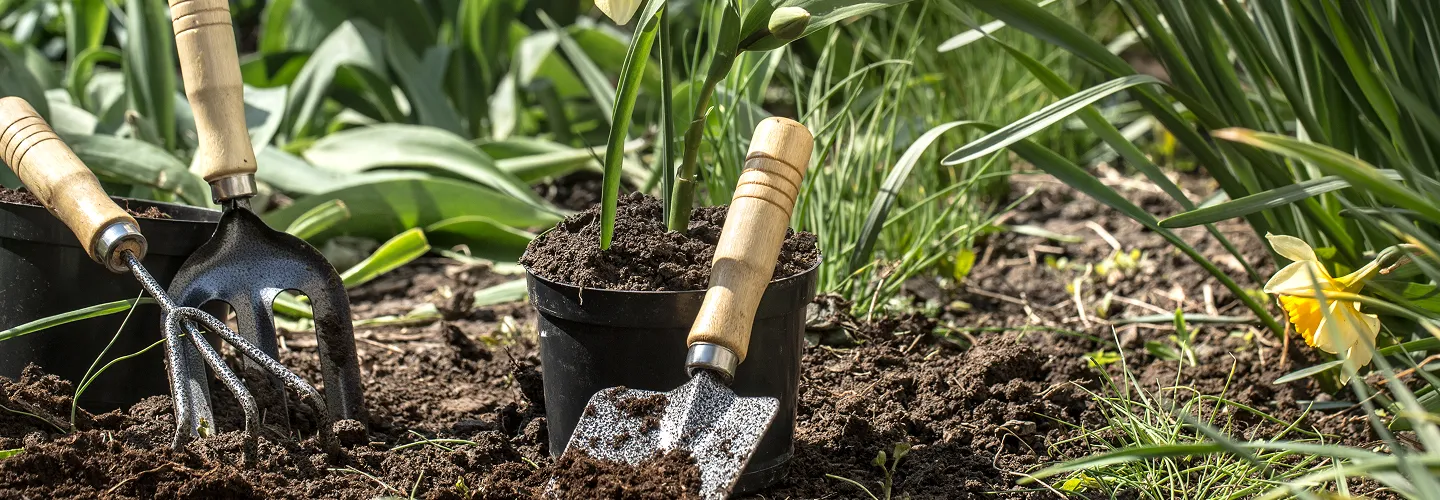
Queen Creek Lawn Edging Services
Choose our expert lawn edging for a polished, professional look that enhances curb appeal, prevents grass overgrowth, and makes yard maintenance easier than ever.
Get a Free QuoteOur Queen Creek Landscaping & Yard Care Services
When to Schedule Lawn Edging in Queen Creek, Arizona – Seasonal Guide
In Queen Creek, Arizona, timing your lawn edging is crucial for maintaining crisp, healthy borders and maximizing curb appeal. The region’s unique climate—marked by hot, dry summers and mild winters—means that the best periods for lawn edging are typically in early spring and late fall. These seasons offer moderate temperatures and reduced drought risk, allowing grass and ornamental borders to recover quickly from edging work. Neighborhoods near the Queen Creek Wash and the Desert Mountain Park often experience microclimates, with shaded areas and varying soil types that can influence the ideal schedule for edging.
Local environmental factors such as the last frost date (usually late February), summer monsoon patterns, and the prevalence of clay-heavy soils in communities like Sossaman Estates all play a role in determining when to edge your lawn. Homeowners should also consider municipal guidelines and water restrictions, which can affect when and how often lawn maintenance is performed. For more information on local landscaping regulations, visit the Town of Queen Creek’s official resource.
Local Factors to Consider for Lawn Edging in Queen Creek
- Tree density and shade coverage, especially in neighborhoods with mature landscaping
- Soil composition (clay vs. sandy soils)
- Seasonal precipitation and monsoon timing
- Frost dates and risk of late cold snaps
- Terrain and slope of your property
- Municipal water use restrictions and landscaping ordinances
Benefits of Lawn Edging in Queen Creek
Enhanced Curb Appeal
Weed Growth Prevention
Defined Landscape Borders
Reduced Lawn Maintenance
Improved Water Retention
Long-Lasting Results
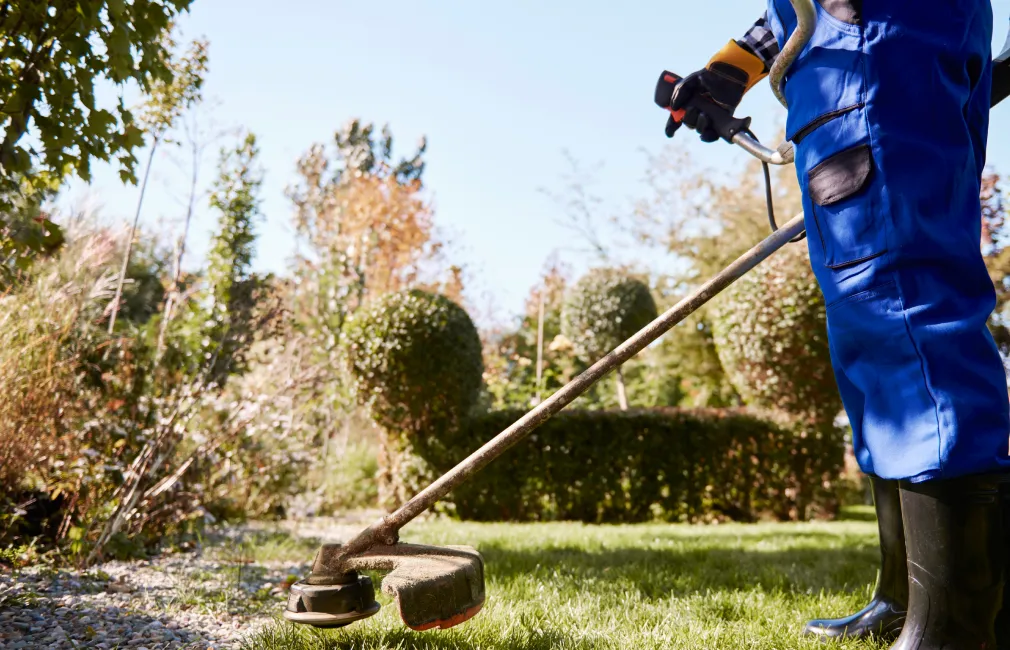
Queen Creek Lawn Edging Types

Concrete Curb Edging
Durable and customizable, concrete curbing provides a clean, permanent border for your landscape.
-
Brick Lawn Edging
Classic brick edging adds a timeless look and helps define garden beds and walkways.
-
Metal Landscape Edging
Sleek and modern, metal edging offers flexibility and long-lasting performance for any yard.
-
Plastic Lawn Edging
Affordable and easy to install, plastic edging is a versatile choice for various landscaping needs.
-
Natural Stone Edging
Natural stone creates a rustic, organic border that blends seamlessly with outdoor environments.
-
Wood Landscape Edging
Wood edging brings warmth and a natural feel to garden borders and pathways.
-
Rubber Lawn Edging
Eco-friendly rubber edging is flexible, safe, and ideal for curved or irregular garden shapes.
Our Lawn Edging Process
Site Evaluation
Marking Edges
Cutting the Edge
Debris Removal
Final Inspection
Why Choose Queen Creek Landscape Services
-
Queen Creek Homeowners Trust Us
-
Expert Lawn Maintenance
-
Reliable Irrigation Solutions
-
Competitive Pricing
-
Professional Team
-
Satisfaction Guarantee
-
Personalized Service
Coordinating Lawn Edging Services with Queen Creek's Public Works and Infrastructure
Lawn edging in Queen Creek requires attention to the town's public infrastructure, particularly along curb lines, sidewalks, and drainage inlets that border residential and commercial turf areas. When edging work occurs adjacent to public rights-of-way, property owners and service providers should ensure that grass clippings, soil debris, and organic material do not accumulate in curb gutters or storm drain inlets. The Town of Queen Creek's Public Works department oversees street maintenance and environmental services, and residents should verify current green waste handling procedures before disposing of edging debris curbside.
- Sweep or vacuum all edging debris away from curb inlets and public sidewalks immediately after service
- Confirm whether edging work near town-maintained medians or parkways requires coordination with Public Works
- Avoid depositing soil or turf fragments into any drainage channel, wash, or retention basin
- Contact Environmental Services for guidance on stormwater-sensitive areas adjacent to your property
Queen Creek Public Works
Official Website: Queen Creek Public Works
Queen Creek Environmental Services
Official Website: Queen Creek Environmental Services
How Queen Creek's Desert Heat and Alkaline Soils Affect Lawn Edging
Queen Creek sits in the Phoenix metro low-desert region within USDA Hardiness Zone 9b, where summer temperatures routinely exceed 110°F and soils tend toward alkaline sandy loam with subsurface caliche layers. These conditions directly influence lawn edging outcomes. Bermudagrass, the dominant warm-season turf in Queen Creek, spreads aggressively through stolons and rhizomes, meaning edges along hardscape, decorative rock, and drip-irrigated planting beds require frequent re-cutting to maintain clean separation. Reflected heat from concrete driveways, block walls, and pavement accelerates turf encroachment and dries exposed edge cuts rapidly.
- Alkaline, calcium-rich soils can harden quickly after edging, making subsequent passes more difficult if delayed
- Irrigation overspray along hardscape borders promotes turf creep into walkways and decomposed granite areas
- Monsoon-season runoff can deposit sediment along freshly edged borders, requiring post-storm cleanup
- Caliche layers near the surface may resist mechanical edging tools and cause blade wear
The University of Arizona Cooperative Extension provides region-specific guidance on bermudagrass management that applies directly to edging frequency and turf vigor in low-elevation Arizona communities like Queen Creek.
Queen Creek Stormwater Compliance and Debris Control for Lawn Edging Operations
Lawn edging generates clippings, soil fragments, and organic debris that must be managed in accordance with stormwater regulations. Under the Clean Water Act and Arizona's Phase II Municipal Separate Storm Sewer System (MS4) program administered by Arizona DEQ, landscape maintenance activities—including edging—are expected to prevent pollutant discharge into storm drains and receiving waters. Queen Creek's development and engineering standards reinforce these requirements, particularly in subdivisions built near washes, retention basins, and flood-control channels.
- Do not blow or wash edging debris into street gutters, storm drains, or retention basins
- Collect and dispose of all organic material generated during edging through approved green waste channels
- Properties adjacent to washes or drainage easements should maintain a buffer to prevent turf and debris migration into natural channels
- Commercial landscape operators should verify compliance with Arizona DEQ's MS4 stormwater guidance for maintenance activities
Queen Creek Development Engineering
Official Website: Queen Creek Development Engineering
Property managers overseeing large turf areas near drainage infrastructure should coordinate with Development Engineering to confirm whether specific stormwater best management practices apply to their sites.
Timing and Methods for Lawn Edging in Queen Creek's Low-Desert Climate
Professional lawn edging in Queen Creek follows seasonal patterns dictated by bermudagrass growth cycles and extreme heat exposure. Bermudagrass enters active growth from late April through September, and edging frequency should increase during this period to keep pace with aggressive lateral spread. The Turfgrass Maintenance Guide for Low Elevation Arizona from the University of Arizona provides detailed guidance on warm-season turf management applicable to edging schedules.
- Spring through early fall: Edge every one to two weeks during peak bermudagrass growth to maintain clean hardscape borders
- Late fall and winter: If overseeded with perennial ryegrass, continue edging on a reduced schedule as ryegrass establishes along borders
- Early morning timing: Perform edging before midday heat to reduce operator fatigue and minimize turf stress from exposed root zones
- Blade depth: Maintain a consistent vertical cut depth along sidewalks, driveways, and curbs to prevent scalping and root exposure
- Irrigation coordination: Schedule edging after irrigation cycles when soil is slightly moist but not saturated, allowing cleaner cuts and reducing blade resistance in compacted or caliche-influenced soils
Operators should inspect edging equipment for blade sharpness regularly, as Queen Creek's rocky, calcium-rich soils accelerate wear on steel blades. Following each edging pass, all clippings and soil should be swept from hardscape surfaces and collected rather than left to wash into drainage infrastructure. The Arizona Department of Water Resources encourages landscape practices that minimize water waste, and maintaining clean turf edges helps reduce irrigation overspray onto impervious surfaces.
What Neighborhoods Do We Serve Throughout Queen Creek, AZ?
- Sossaman Estates — Larger residential lots in this area often feature expansive bermudagrass lawns bordered by block walls and concrete driveways, requiring frequent edging to control turf encroachment along hardscape transitions.
- Hastings Farms — This established community includes mature landscaping with defined curb-and-sidewalk borders where consistent edging prevents turf from overtaking walkways and decorative rock beds.
- Cortina — Newer subdivision construction in Cortina means compacted fill soils and fresh hardscape edges that benefit from early establishment of clean edging lines before turf fully matures.
- Encanterra — Properties in this master-planned community often maintain HOA-regulated landscape standards, making precise lawn edging along streetscapes and common areas a routine maintenance requirement.
- Queen Creek Station — Proximity to town infrastructure and retention basins in this area makes debris control during edging particularly important for stormwater compliance.
- San Tan Heights — Sloped lots and elevated terrain in San Tan Heights can direct edging debris downhill toward drainage channels, requiring careful collection practices after each service.